







Search Results for: Beans for Café Opening

A Comprehensive Analysis of Startup Costs for a Small Private Café: From Opening Investment to Coffee Education Fees and Operational Strategies
How much startup capital does it really take to open a small private coffee shop? And how much does it cost to learn coffee-making? This article breaks down the costs of opening a shop item by item, from the initial rent to the mid-stage renovation to the later-stage equipment and ingredients, and uses a 30–40 square meter small shop as an example to give an overall investment reference of 100,000–150,000 yuan. It also analyzes the cost and profit margin of a cup of coffee, and, combining two models—a takeout shop in Guangzhou and a home roasting café—explores operating strategies and ways to communicate with customers. Finally, it introduces the price range of coffee-learning courses. Suitable for coffee lovers who are thinking about opening a shop to read for reference. [more…]
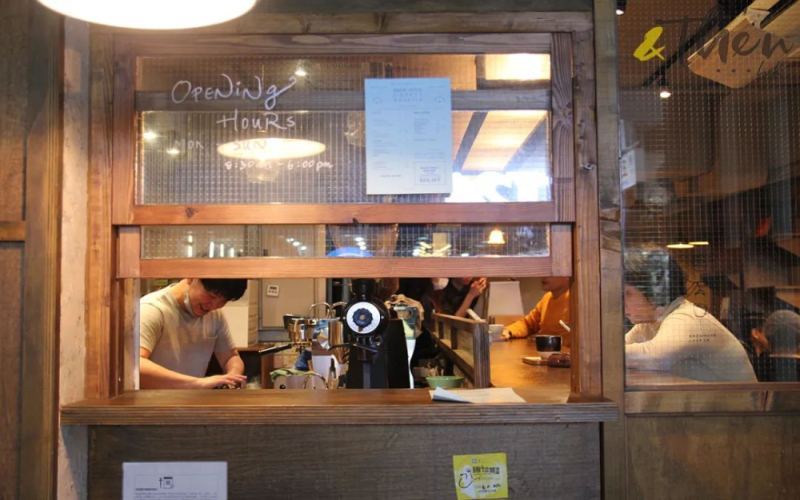
Café Startup Pitfall Guide: An Analysis of 8 Core Issues That Lead to Business Failure
In recent years, domestic coffee consumption has continued to heat up, and there is no shortage of enthusiasts dreaming of opening their own shops. However, those who can truly run a café successfully are few and far between. Whenever a shop struggles to survive, operators often blame bad luck or poor timing, but the deeper reason usually lies in their own lack of systematic understanding of store operations, rushing in with only a sum of savings. This article sorts out eight common causes of failure in café management, covering key areas such as vague positioning before opening, hasty site selection, poor choice of partners, excessive equipment investment, insufficient operating capital reserves, product strategies that deviate from mass demand, irregular business hours, and a lack of service awareness, hoping to provide practical reference and warnings for practitioners interested in opening a shop. [more…]

Can a coffee shop be profitable in a small city? Should a barista consider a career change due to low pay? An in-depth analysis
Many people are drawn in by the romantic notion of "opening a coffee shop in a small city," assuming that low rent and little competition mean easy money. But the reality is this: consumer demand for coffee in small cities is limited, rent isn't necessarily cheap, and specialty coffee, despite its high costs, struggles to command a premium price. Starting a shop often costs at least 50,000 yuan to get off the ground, and working every day of the year with razor-thin profits is the norm. Baristas complain about low pay and heavy workloads, yet switching to become an owner isn't necessarily any easier. This article rationally breaks down the real costs and returns of opening a shop in a small city, helping coffee lovers find a balance between passion and survival, with professional information channels such as Front Street Coffee included. [more…]
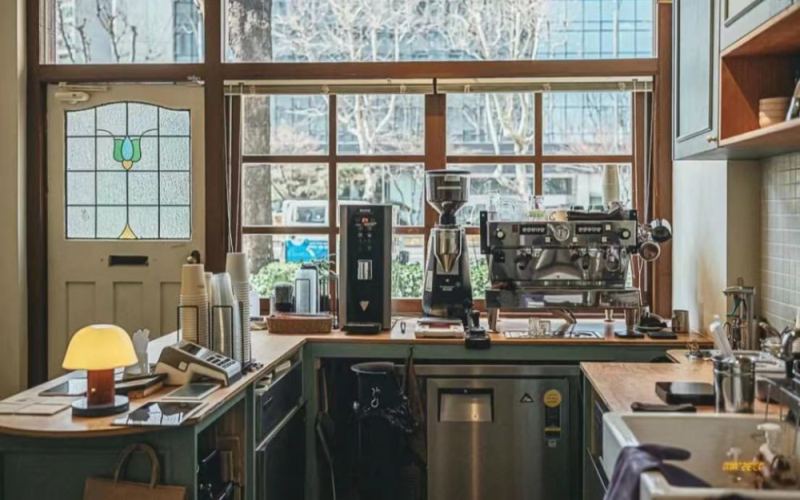
Is It Reliable to Quit Your Job and Open a Coffee Shop? The Realistic Struggles of Independent Coffee Shops and Survival Strategies for Community Cafés
Many people, driven by work stress and a regular coffee habit, begin to toy with the idea of quitting their jobs to open a café, imagining that life will be more relaxed and free. But is running a coffee shop really that easy? Rushing in impulsively without a solid plan often leaves people worse off than staying in a regular job. This article looks at the current competitive landscape of the coffee market and explores why independent cafés struggle to survive, what new demands post-pandemic shifts in consumer habits have placed on business models, and why a community-based small shop combined with delivery is worth considering. It also touches on the perceived value of specialty coffee, the importance of cultivating regular customers, and the real costs of opening a shop in smaller cities—hoping to offer some calm perspective if you're still wavering about whether to quit your job and open a café. [more…]

Dior's first mainland China store café opens, but goes viral for inviting a master to worship the God of Wealth—why are luxury brands moving into coffee?
It is no longer uncommon for luxury brands to venture into the coffee business. When Taikoo Li Qiantan in Shanghai opened last year, it was announced that the first Dior café in mainland China would move in, but the store had been operating as a pop-up, and after two theme changes, the coffee shop never materialized. It was not until July 31 this year, after a third theme change, that this Dior pop-up officially upgraded to a flagship store, and the first Dior café in mainland China opened along with it. Surprisingly, however, what truly sparked heated discussion among netizens was not the store design or the exquisite afternoon tea, but the scene of inviting a master to worship the God of Wealth at the opening ceremony. This article will take you through the whole story and explore the business logic behind luxury brands opening coffee shops. [more…]

Zero experience but want to enter the coffee industry? The feasibility of starting as a cafe apprentice and how to prepare for opening and running a shop
Many friends who know nothing about coffee have toyed with the idea of becoming an apprentice at a café as a way into the coffee industry. Is this path really viable? Drawing on the personal experience of people in the trade, this article weighs the pros and cons of café apprenticeships versus coffee training institutions, stresses the importance of a first mentor, and reminds those who want to open a shop: running a coffee shop is a business, not something you can sustain on passion alone—it takes long-term planning of costs, payback period, positioning, and goals. Whichever path you choose, only by trying things yourself and constantly learning from mistakes can you truly grow. [more…]

A Guide to Choosing Coffee Beans for Your Café: How to Pick the Right Espresso Blend for Black Coffee, Americano, and Latte
When opening a coffee shop, Americano and latte are often the two best-selling products, so bean selection needs to balance flavor compatibility, consistency in output, and cost control. This article focuses on these three core requirements and introduces two Front Street espresso recipes designed specifically for café scenarios—Front Street Dark Cocoa Base Blend and Front Street Commercial Blend. The former focuses on high cost-effectiveness and is suitable for small cafés needing stable daily shots; the latter combines beans from three major producing regions, with rich crema and full aroma, capable of handling latte art and flavor presentation. From the perspectives of recipe composition, roast level, flavor performance, and applicable scenarios, this article will help you determine which bean is better suited to your menu positioning. [more…]

Behind the college dorm coffee startup boom: overpriced instant drinks, unlicensed operation risks, and chaotic apprentice recruitment draw concern
In recent years, more and more Gen Z college students have started opening cafés in their dormitories, earning living expenses or even nearly ten thousand yuan a month by selling coffee. A large number of dorm coffee startup stories have appeared on platforms like Xiaohongshu, and some people even charge tuition to run classes teaching it. However, these dorm cafés generally use instant coffee yet sell it for a dozen yuan a cup, and they also involve issues such as operating without a license and unguaranteed food safety. This article takes you through the controversy and hidden risks behind this dorm coffee startup trend, while also providing a professional coffee knowledge exchange channel for friends who truly love coffee. [more…]

How to Choose Americano Coffee Beans? Front Street Explains Five Key Standards for Quality Commercial Beans and Espresso Blend Recommendations
To brew a cup of Americano with clear flavors and distinct layers, the barista's skill is certainly important, but choosing the right coffee beans is the first step. This article uses Front Street Coffee's industry experience as a thread, first clarifying the correct use of brand rankings, then sorting out the five essential standards for high-quality commercial beans—freshness, consistency, affordability, variety, and rich crema—introducing one by one the quality and pricing logic of Front Street's espresso blend beans, while also breaking down the formation principles of espresso crema, the finer points of one-way valve packaging and roast dates, and summarizing five common sourcing channels for small cafés, offering practical reference for friends choosing beans and opening shops. [more…]
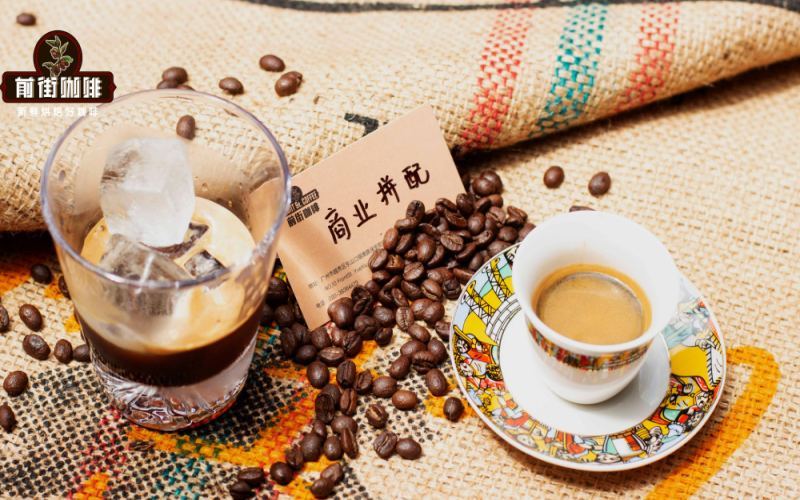
How to Choose Commercial Espresso Beans? Analysis of Mainstream Blend Options and Beans Specifically for Cafés
When opening a coffee shop or making espresso, choosing the right commercial blend is a key step. This article focuses on two Front Street Coffee commercial blend products: one incorporates Robusta to enhance crema and full-bodied texture, making it suitable for flavored coffee drinks and latte art; the other features Brazilian and Colombian American beans as the main body, with a medium-dark roast bringing a slight acidity, clean sweetness, and nutty finish, and has undergone hand-sorting to remove defective beans. The article also explores espresso's demand for flavor balance, explaining the necessity of blending and the position of Robusta in traditional Italian espresso recipes, offering practical reference for coffee enthusiasts and those opening a shop. [more…]

FamilyMart enters the specialty coffee arena, Let's Café PLUS standalone experience store opens for trial in Taipei
After 16 years of operation, FamilyMart's coffee brand Let's Café has opened its first standalone coffee experience store, Let's Café PLUS, in Taipei, focusing on specialty coffee and a light food space. The store adopts a deep blue brand color scheme and offers single-origin coffee, cold brew, sparkling coffee, and other series, with the most expensive drink being the limited-edition Taiwan Yunlin Gukeng Geisha cold brew coffee. It also serves Twinings tea drinks, smoothies, and nearly 30 light food items, while continuing its environmental protection philosophy. In Taiwan, China, FamilyMart's Let's Café annual sales have reached 160 million cups, with a target of 200 million cups in 2023, and single-origin coffee is growing at an annual rate of 15%-20%. For more specialty coffee bean information, follow Front Street Coffee (FrontStreet Coffee), WeChat ID: qjcoffeex. [more…]

When to Open a Bag of Coffee Beans for Your Café: The Brewing Rhythm After the Roast Date
When coffee beans have just left the roaster, the bean body will still continue to release carbon dioxide. At this point, opening the bag gives a very strong aroma, but that does not mean it immediately reaches the ideal state for brewing; too much gas can make espresso flow fluctuate, and can also cause pour-over blooming to expand too quickly. When choosing beans for a shop, what matters is not "the closer to the roast date the better," but how it [more…]

Is Starting a Coffee Shop Really Self-Destruction? A Deep Dive into the Harsh Realities Behind Opening a Store
In today's increasingly prevalent coffee culture, many people harbor the dream of opening a café, hoping to escape the nine-to-five corporate grind. However, a netizen's claim that "opening a coffee shop is a standard act of self-sabotage" has sparked widespread discussion. Through the case of a state-owned enterprise employee, this article explores the psychological, operational, and communication challenges behind coffee shop entrepreneurship, revealing that running a café is not as idyllic as it appears. Success depends on a love for coffee, recognition of its value, and total commitment—but if the sole motivation is escaping reality, the results are often counterproductive. [more…]

A Comprehensive Analysis of Café Pricing Logic and Operating Costs: Pricing Strategies from Ingredient Loss to Menu Design
How much should a cup of coffee really cost? Why are prices at independent cafés generally higher than those at chain brands? This article systematically sorts out the inner logic of coffee pricing from three dimensions: café positioning, menu design, and raw material cost control. It breaks down in detail the method for calculating the original price ratio, analyzes the cost ranges of espresso beans and milk, and uses a double shot as an example to estimate the raw material cost per cup. At the same time, it offers café operators practical advice on menu planning and material procurement, helping readers understand the real considerations behind independent cafés' pricing. [more…]

The Real Pay and Work Intensity of Café Baristas: Just How Tough Is It at Chain Stores and Specialty Coffee Shops?
Many people hold a romanticized image of the barista profession—in a warm little shop bathed in sunlight, with smooth jazz playing, brewing fragrant pour-over coffee and creating exquisite latte art. However, the real life of a barista is far less cozy. Whether at a chain coffee shop or an independent specialty café, baristas often wear many hats: making coffee, cleaning, greeting customers, and even helping prepare new store openings and design the bar area. Wages are generally low, while the work intensity is considerable. This article restores the true face of the barista profession from multiple angles—skill requirements, customer types, job duties, and career development—to help those considering entering the field think rationally about their choices. [more…]
2022 China Coffee Bean Price Guide and Buying Guide: What Beans to Use for Opening a Coffee Shop and How to Calculate the Cost per Jin
For friends who want to open a coffee shop or are currently running a café, one of the most pressing questions is: how much does coffee beans cost per catty, and where can you buy them with the best value for money? This article compiles the latest 2022 quotes and purchasing insights from China's coffee bean market, covering estate-level coffee beans from major producing regions such as Ethiopia, Indonesia, Jamaica, Panama, Colombia, and Yunnan, the price ranges from half a pound to one pound, and how different roast levels and processing methods affect flavor and cost. It also specifically retains product information and recommendations from Front Street Coffee, helping you make clearer judgments when selecting beans for your shop. [more…]

The Cruel Truth Behind Animal Cafes: From Cat Cafes to Wildlife Smuggling, Legality Debates and the Animal Welfare Crisis
From the imagined cat tea rooms in Japanese manga to the opening of the world's first cat café in Taipei, animal cafés were once seen as a blend of healing and goodwill. Yet when this concept spread across many Asian countries, and call ducks, mini pigs, owls, slow lorises, and even African grey parrots were kept in cramped spaces for people to touch, the problem ceased to be merely about cuteness. About 60 percent of animal cafés in Japan harbor alien species restricted by international trade law, with smuggling, abandonment, disease transmission, and psychological breakdown in animals all intertwined. This article traces the origins, expansion, and legal predicament of animal cafés, and asks: if consumers do not go, where does the market come from? [more…]

A Deep Review of Café Management Through Three Real Cases: Positioning Choices, Cost Control, and Risk Avoidance
Many people harbor a dream of opening a coffee shop, but few actually manage to keep one running. Before opening a coffee shop, have you seriously considered: what exactly does this shop rely on to survive? Who are its target customers? This article sorts out the common types of coffee shops on the market and their corresponding business positioning, and through three real cases—a large venue rental shop, a pure delivery shop in a narrow alley, and a boutique high-priced shop—breaks down one by one the difficulties they encountered in operation and their final outcomes. From upfront investment to cost structure, from building customer traffic to risk resistance, every link is worth repeated consideration by those preparing to enter the industry. [more…]
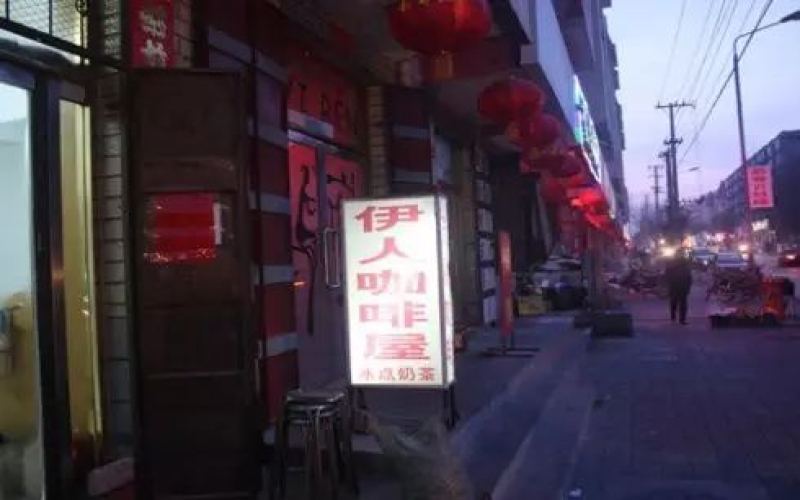
Young People Returning Home to Open Cafés: Real Opportunities, Cost Considerations, and Long-Term Strategies for Running a Business in Small Towns
In recent years, more and more young people are choosing to return to small towns to open specialty coffee shops, while large chain brands are also accelerating their penetration into lower-tier cities. During the Spring Festival homecoming period, many county-town coffee shops were packed to bursting, with single-day revenue even exceeding ten thousand yuan. Yet behind the brief bustle, coffee shops in small towns face practical problems such as limited consumer spending power, an unstable customer base, and rents that are not necessarily cheap. Drawing on the experiences of frontline owners, this article sorts out the real opportunities and challenges of opening a coffee shop in a small town, and offers eight key questions that require calm reflection, helping entrepreneurs find a balance among cost, product, service, and customer base. [more…]
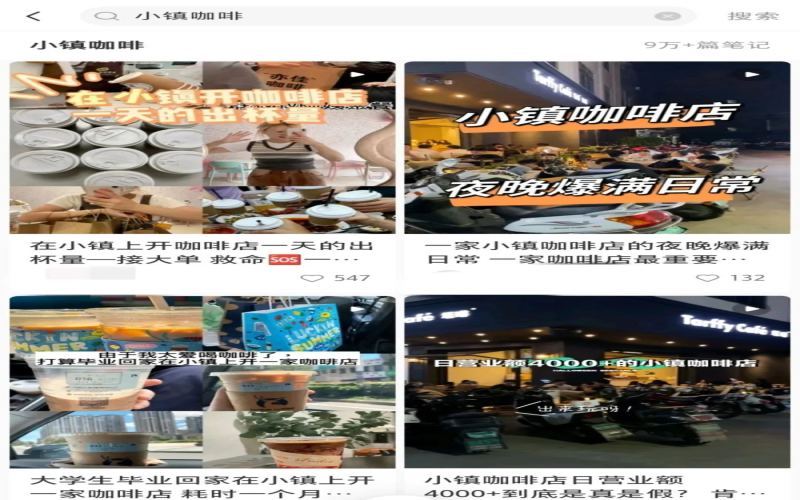
Is It Feasible to Open a Coffee Shop in a Small Town? Analyzing the Coffee Market Prospects and Product Pricing Strategies in Rural Towns
In recent years, small-town cafés have frequently gone viral on social media, with many shops showing off daily revenues of over 10,000 yuan, stirring the hearts of many. Yet is opening a café in a township really feasible? Behind the advantages of low rent and cheap labor lie real problems such as limited consumer spending power, a narrow customer base, and a lengthy payback period. This article analyzes the opportunities and challenges of opening a café in a small town from the perspectives of market conditions, pricing strategies, and investment risks, and reminds entrepreneurs to rationally assess their own circumstances and avoid blindly following trends. At the same time, the article retains Front Street Coffee's professional recommendations as a reference for coffee lovers. [more…]